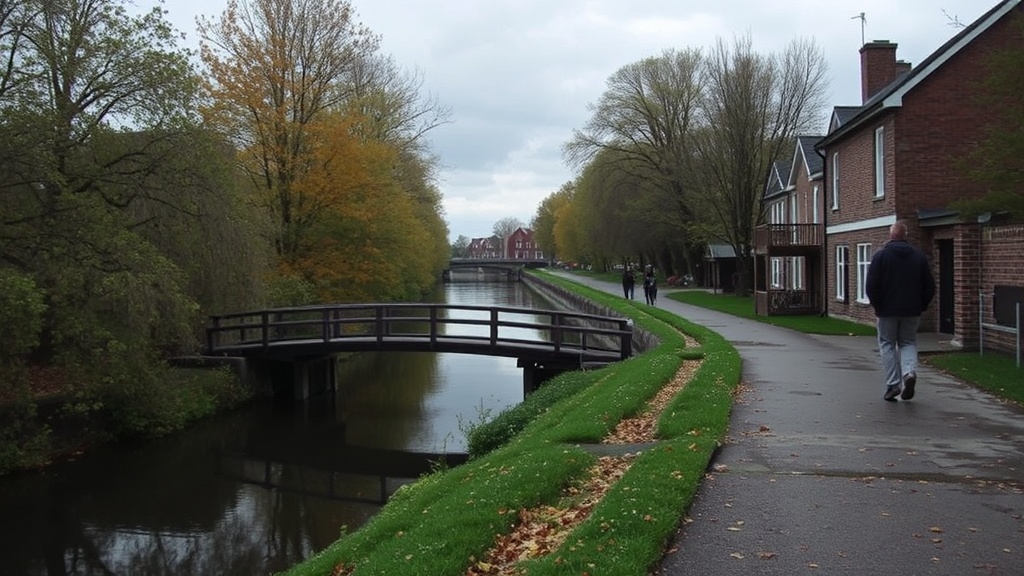
Walking Through History Along the Welland Canal Paths

The heavy, rhythmic sound of water rushing through a lock gate defines the atmosphere of the Welland Canal in Port Colborne. This guide covers the best walking routes along the canal paths, the historical significance of the locks, and what you need to bring to enjoy a day of outdoor exploration. Understanding the layout of these paths helps you appreciate how this massive piece of engineering changed the way goods move across North America.
The canal isn't just a body of water; it's a living museum. You can see the sheer scale of the steel walls and the massive machinery that lifts ships upward. It's a place where industrial might meets leisure. If you've ever wanted to see how a lock works up close, walking these paths is the best way to do it.
Where are the best places to walk along the Welland Canal?
The most popular walking routes are found around the Welland Canal Parkway and the areas surrounding the Lock 1 and Lock 2 structures. Most people start near the downtown core of Port Colborne, where the paths are well-maintained and offer plenty of spots to sit and watch the ships pass. The paths are generally flat, making them accessible for most fitness levels, though you'll encounter some slight inclines near the lock structures themselves.
If you want a more secluded experience, you might find hidden gems for a scenic walk along the canal that feel a bit more disconnected from the busier industrial zones. The canal stretches through several municipalities, but the Port Colborne section offers a unique perspective because of how closely the water sits against the town's edge.
- The Downtown Stretch: Best for people-watching and seeing the larger ships pass through the locks.
- The Industrial Segments: Great for photography enthusiasts who want to capture the raw, heavy-duty machinery.
- The Residential Periphery: Ideal for a quiet morning stroll without the noise of heavy traffic.
Keep in mind that the weather can change quickly near the water. I always recommend wearing something like a Patagonia Torrentshell jacket if you're heading out in the spring or fall. Even if the sun is out, the breeze off the canal can be biting.
What historical sites can I see on the canal?
You can see the engineering marvel of the modern Welland Canal system and the remnants of the older, much smaller versions of the waterway. The history of this area is tied to the Welland Canal, which has undergone several major revisions since the 19th century. As you walk, you aren't just looking at water; you're looking at the evolution of Canadian trade.
One of the most striking things is how the landscape has been altered to accommodate the water. You'll see massive concrete walls that look like they could hold back a mountain. It's a testament to the sheer willpower of the engineers who built this. The locks themselves are the stars of the show. Watching a ship rise or fall through the water is a slow, methodical process that feels like watching a giant machine at work.
It's worth noting that the canal has changed many times. The original routes were much narrower and more difficult to navigate. Today, the path is a blend of modern efficiency and historical weight. You'll see metal railings, paved paths, and signage that explains the technical side of things. It's a great way to learn about the history of the Great Lakes without sitting in a classroom.
The history isn't just in the locks. It's in the way the town of Port Colborne grew around the water. The canal brought people, jobs, and a specific type of industrial energy to the region. When you walk these paths, you're walking through the very reason this town exists in its current form.
What should I bring for a walk along the canal?
You should bring comfortable walking shoes, a water bottle, and layers of clothing to handle the shifting wind. Because the canal is a wide-open space, there isn't much shade or protection from the elements once you're out on the path. A sturdy pair of sneakers or hiking shoes is a must, especially if you're planning to walk longer stretches.
Here is a quick checklist for your outing:
| Item | Why you need it | Recommended Brand/Type |
|---|---|---|
| Footwear | For long distances on paved paths | New Balance or Brooks |
| Outerwear | To block the wind off the water | Windbreaker or Light Fleece |
| Hydration | To stay hydrated during longer walks | Reusable Nalgene or Yeti bottle |
| Sun Protection | The sun reflects off the water intensely | Polarized sunglasses |
Don't forget that the canal is a working waterway. While it's beautiful, it's also a place of heavy industry. You'll hear the rumble of engines and the sound of heavy machinery. It's part of the charm, but it's also a reminder that you're in a functional, working environment. If you're a photographer, a tripod might be useful, but keep your gear secure—the wind can get quite strong near the lock walls.
If you find yourself needing a break, there are plenty of spots nearby to sit down. I often find that after a long walk, a quick stop at a local cafe is the perfect way to end the day. If you're looking for inspiration, check out my post on cozy spots to grab a coffee and a great book to find a place to relax after your trek.
How much time should I budget for a canal walk?
A standard walk through the main sections of the Port Colborne canal takes between two to four hours depending on your pace and how many stops you make. If you're someone who likes to stop and photograph the ships, you'll want to budget at least three hours. The scale of the locks makes everything feel larger than it is, and you'll naturally want to slow down to watch the process.
If you're just looking for a quick stroll to clear your head, a one-hour loop around the immediate downtown area is plenty. However, the real magic happens when you take your time. The way the light hits the water at sunset is something you don't want to rush through. It's a different experience than a standard park walk because the "movement" of the canal—the ships—is so unpredictable. You might wait twenty minutes for a ship to pass, or you might see three in an hour. That unpredictability is what makes it interesting.
Make sure you check the time before you head out. If you're planning to watch a specific transit, it's always a good idea to see if there's any local information available. The canal is a busy thoroughfare, and the timing of the locks is what dictates the rhythm of your walk. It's a slow-motion dance of steel and water.
The canal is a constant. It's been here through different eras of Canadian history, and it continues to be a vital part of our local identity. Whether you're a local or just passing through, taking the time to walk these paths gives you a much deeper understanding of the area than a simple drive ever could. It's an experience that stays with you.