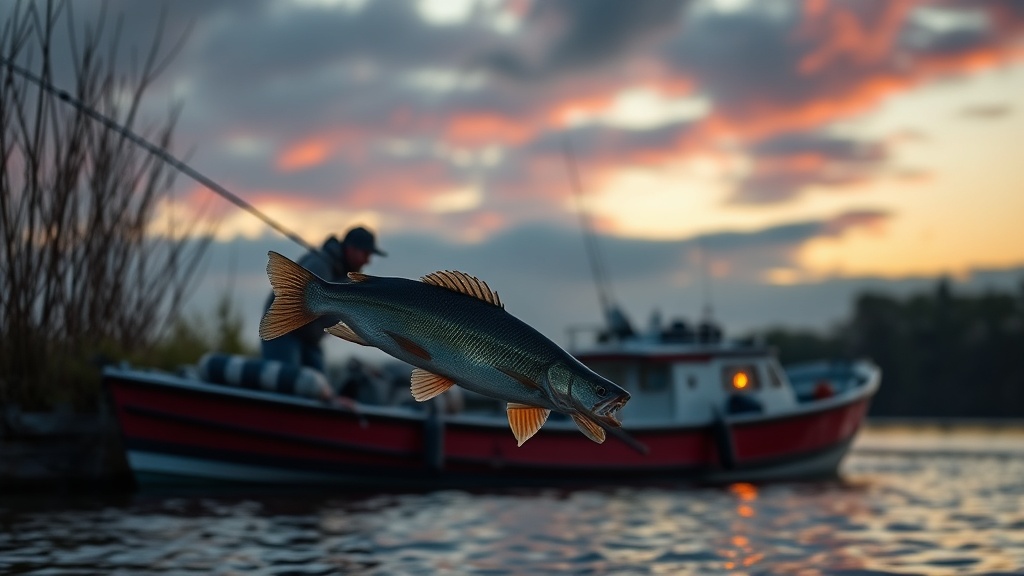
Finding the Best Fishing Spots Near the Welland Canal

What to Expect When Fishing the Welland Canal
This guide identifies the most productive fishing locations near the Welland Canal, the specific gear you'll need for local species, and the regulations you must follow to stay legal in Ontario. You'll learn where to find Walleye, Bass, and Perch, as well as how to time your trips with the canal's lock schedules.
Fishing the Welland Canal isn't just about luck; it's about understanding the movement of water and the unique structure of the shipping lanes. Because the canal connects Lake Erie to Lake Ontario, it acts as a massive corridor for fish moving between the lakes. If you know where to look, the rewards are huge.
Where are the best fishing spots near the Wellland Canal?
The best fishing spots are typically found near the lock structures, bridge pilings, and the deeper sections of the canal where currents are more predictable. These areas provide shelter for fish and often attract the baitfish that larger predators follow.
If you're looking for a quick session, the areas around the Port Colborne locks are highly productive. The way the water moves through the locks creates oxygenated currents that draw in small fish. However, you have to be mindful of the shipping schedule. When a large vessel passes through, the water displacement can be intense—it's a good idea to keep your tackle secure.
Here are three primary zones to target:
- The Lock Areas: These are high-traffic zones where the water depth changes rapidly. Great for Bass and even some larger Walleye.
- Bridge Pilings: The structural supports for bridges create "dead zones" in the current. Fish love to sit in these pockets to rest and feed.
- The Mouth of the Canal: Near the entrance to Lake Erie, the water is much more turbulent, but the fish density is high.
Don't forget to check the Ontario Fishing Regulations before you head out. The rules for the Welland Canal can be specific regarding certain species and seasons.
Targeting Specific Species
You aren't just fishing for one thing here. Depending on the season, you might be chasing different targets. Most anglers in the Niagara region focus on three main groups: the predators, the panfish, and the seasonal runs.
- Smallmouth and Largemouth Bass: These are the kings of the canal. They love the rocky bottom and the structure provided by the canal walls.
- Walleye: Often found in the deeper channels. They tend to be more active during the twilight hours or on overcast days.
- Yellow Perch: These are abundant and perfect for a family outing. You'll find them in the shallower, slower-moving sections of the canal.
A tip from a local: if you're targeting Bass, a Rapala Shad Rap or a soft plastic jerkbait works wonders. The vibration helps the lure stand out in the moving water.
What gear should I use for canal fishing?
You should use medium-action spinning rods with braided line for better sensitivity and strength in moving water. Since the canal can have significant current and depth changes, having gear that can handle a bit of weight is a big plus.
I've found that a 6-to-7-foot medium power rod is the sweet spot. It's versatile enough for a Bass tournament but light enough to feel a nibble from a Perch. If you're fishing the deeper sections near the locks, you might want to switch to a heavier sinker to keep your bait in the strike zone.
| Target Species | Recommended Lure Type | Line Type | Rod Action |
|---|---|---|---|
| Smallmouth Bass | Jigs or Crankbaits | 10-12lb Fluorocarbon | Medium |
| Walleye | Soft Plastics/Leeches | 8lb Monofilament | Medium-Light |
| Yellow Perch | Small Worms/Maggots | 4-6lb Light Mono | Light |
The water in the canal can sometimes be a bit murky depending on recent rainfall. Because of this, I recommend using lures with more vibration or bright colors. A bright chartreuse or a gold spinnerbait can cut through the silt much better than a subtle natural color.
If you're serious about your setup, look at brands like Shimano or Abu Garcia. Their reels are reliable and can handle the constant casting required when you're trying to find the right "pocket" of fish. (I've broken more than a few cheap reels trying to fight a decent-sized Bass in a heavy current—don't make that mistake.)
How can I tell when the fish are most active?
Fish are most active during the "golden hours" of dawn and dusk, or when weather fronts are moving through the Niagara region. In the canal, the movement of the water also dictates activity levels.
The movement of the locks is a huge factor. When the water levels are adjusting, it stirs up the bottom and brings nutrients into the water column. This often triggers a feeding frenzy. If you see a large ship passing through, wait a bit for the water to settle, then get your line in the water. The fish often move back into the area once the turbulence subsides.
Temperature is another big one. In the spring, the fish move closer to the shallower edges as the water warms up. By late summer, they tend to move toward the deeper-water channels. If you're fishing in the heat of the day, you'll likely have more luck in the early morning or late evening.
It's also worth checking the Environment Canada weather forecasts. A drop in barometric pressure often precedes a big bite. If a storm is rolling in over Lake Erie, you'll likely see a spike in activity before the weather turns.
A Note on Safety and Ethics
Fishing near a major shipping lane requires respect for the environment and the people using it. Always be aware of the vessels passing through. If a ship is approaching, it's best to reel in and clear the area. You don't want your line getting caught in a propeller or causing a hazard to navigation.
Also, please practice catch and release whenever possible. The populations in the canal are under constant pressure from both natural cycles and human activity. Keeping the fish healthy ensures that we can keep fishing these spots for years to come.
Make sure you have your proper Ontario🎣 fishing license. You can easily get these through the Ontario Ministry of Natural Resources website. It's a small price to pay for a successful day on the water.
The canal is a unique ecosystem. It's not a traditional lake, and it's not a stagnant river. It's a living, breathing waterway that requires a bit of a different approach than your standard pond fishing. Use the right lures, watch the locks, and keep your eyes on the water. The fish are there—you just have to find them.
Steps
- 1
Check Local Regulations and Licenses
- 2
Pack Your Essential Tackle Box
- 3
Locate the Best Current Spots
- 4
Observe the Water Conditions