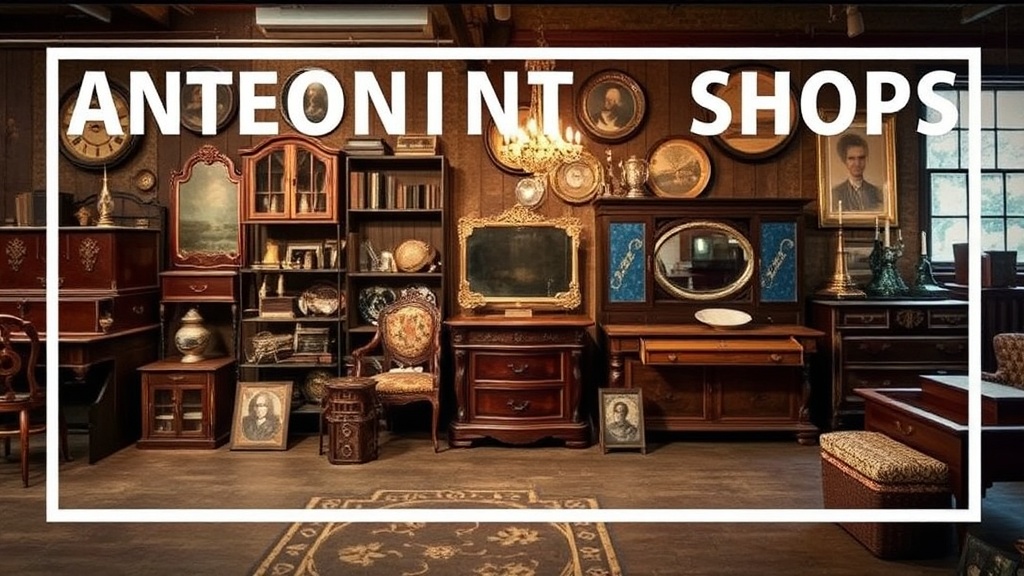
Exploring Local Antique Shops and Vintage Treasures

The smell of aged cedar, the heavy weight of a brass candlestick, and the sight of a weathered milk crate tucked between velvet chairs—this is the reality of hunting for history in Niagara. This guide walks through the best ways to find high-quality antiques and vintage goods in and around Port Colborne, highlighting specific local spots and what to look for in an era of mass production. Finding a piece of the past isn't just about shopping; it's about discovering items with a story that actually lasts.
Port Colborne sits in a unique spot. We're right on the edge of the Welland Canal, where the history of shipping and heavy industry has left a trail of physical artifacts. You aren't just looking for "stuff" here; you're looking for the relics of the Niagara Peninsula's industrial and agricultural roots.
Where are the best antique shops near Port Colborne?
The best antique shops are found tucked away in the smaller towns surrounding Port Colborne, specifically in the nearby stretches of the Niagara region and the outskirts of Welland.
While we have some fantastic local finds right here, many serious collectors head slightly north or west to find larger warehouses. If you want a massive selection of mid-century modern furniture or old industrial tools, you'll want to look at the larger collectors' hubs in the broader Niagara area. However, the real charm of our area is the "garage sale culture" that pops up on the outskirts of town during the warmer months.
One of the most reliable ways to find high-quality vintage is to check out the seasonal pop-up markets. These aren't your typical flea markets; they are often curated by people who have spent decades collecting specific types of items, like 1950s kitchenware or old Canadian agricultural tools.
If you find yourself wandering the streets near the water, you might see more than just scenery. Many residents keep their best items in garages or outbuildings, and a slow drive through the side streets can reveal a lot. It’s a bit like a scavenger hunt (and a great way to see the local architecture). If you're looking for a break after a long day of searching, you might want to check out some refreshing waterfront cafes to sit and sort through your photos of your finds.
Types of Vintage Items to Watch For
When you're browsing, it helps to know what actually holds value. Not everything old is "antique." In the world of collecting, there is a big difference between a 20-year-old item and a 100-year-old one.
- Industrial Relics: Given our history with the canal, old maritime tools, brass gauges, and heavy iron implements are common finds.
- Mid-Century Modern Furniture: Think tapered legs, teak wood, and clean lines. Brands like Herman Miller are highly sought after, but even unbranded pieces from this era are popular.
- Vintage Kitchenware: Pyrex patterns (especially the older, more colorful ones) and old cast iron skillets are perennial favorites.
- Canadian Canadiana: Anything related to early Ontario-specific history—old maps, logging tools, or early Canadian postage—has a dedicated following.
How much do vintage antiques cost in Ontario?
The cost of vintage items varies wildly based on the item's rarity, condition, and whether you are buying from a professional dealer or a casual garage sale.
At a garage sale in a residential neighborhood, you might pick up a vintage glass vase for $5. At a high-end antique mall with a curated selection, that same vase—if it's a recognizable brand—could easily go for $50 or more. It's a spectrum. You have to be prepared to negotiate at smaller sales, but don't expect much wiggle room at established shops that have high overhead.
Here is a rough breakdown of what you might expect to pay for common vintage categories in our region:
| Item Category | Garage Sale Price (Est.) | Antique Shop Price (Est.) |
|---|---|---|
| Vintage Pyrex Bowl | $5 - $15 | $30 - $75 |
| Cast Iron Skillet | $10 - $20 | $40 - $100+ |
| Mid-Century Lamp | $15 - $30 | $60 - $150 |
| Old Tool/Industrial Item | $5 - $10 | $25 - $50 |
One thing to remember: condition is everything. A chipped piece of vintage pottery might be worth almost nothing, whereas a pristine piece can be a centerpiece. Always inspect your items under bright light before paying. I’ve seen people walk away from a great deal because they didn't check for hairline cracks in glass or porcelain.
If you are looking for more information on how to authenticate certain items, the
Don't be afraid to check the underside. Many high-quality vintage pieces have maker's marks or stamps on the bottom or inside a drawer. These marks can tell you exactly when and where the piece was made. It's also a great way to verify if a piece is truly vintage or just a modern reproduction.
If you're looking for something to complement a piece of furniture you've just found, you might find yourself wanting to show it off in a nice setting. For instance, if you've found a beautiful outdoor bench, you might enjoy exploring scenic walks along the canal to see how public spaces use much more modern, functional furniture. It's a good way to see the contrast between the old and the new.
Pro-tip: Always bring a small flashlight. It's the best way to see into dark corners of a shop or under a heavy sideboard to check for woodworm or structural issues. It's a small tool that saves a lot of regret later.
The reality of collecting is that you'll often find things that look great but aren't actually "good." A piece might have a beautiful patina, but if the legs are uneven, it's going to be a struggle in your home. Always measure your doorways and your rooms before you buy anything. There's nothing worse than hauling a heavy oak sideboard home only to realize it won't fit through the front door. It's a common mistake, even for seasoned collectors.
Finding these treasures is part of the fun. Whether you're looking for a single statement piece or a whole room of vintage decor, the Niagara region has plenty to offer if you know where to look and what to ask.